
Three Meals vs. Grazing All Day: Which Is Actually Better for Your Body?
Coffee at 7. A granola bar at 10, eaten standing at the counter. Nibbles of the kids’ lunch while you pack it. A handful of crackers at 3. A cheesestick somewhere in the mix. Then a big dinner at 7, because you’re finally starving. A bag of popcorn before bed.
Technically, that’s grazing. But nobody planned it that way. It just happened, the way it happens most days.
So is that pattern helping you or hurting you? And would three real meals be better?
Nutrition circles have argued about this for years. One camp says small, frequent meals keep your metabolism “fired up” and prevent the crashes that lead to overeating. The other says three structured meals improve how your body handles insulin and give your gut a chance to rest.
The honest answer is: it depends. But there’s a framework for figuring out what’s right for your body, and it starts with what happens to your blood sugar and your gut under each approach.
The Case for Three Meals
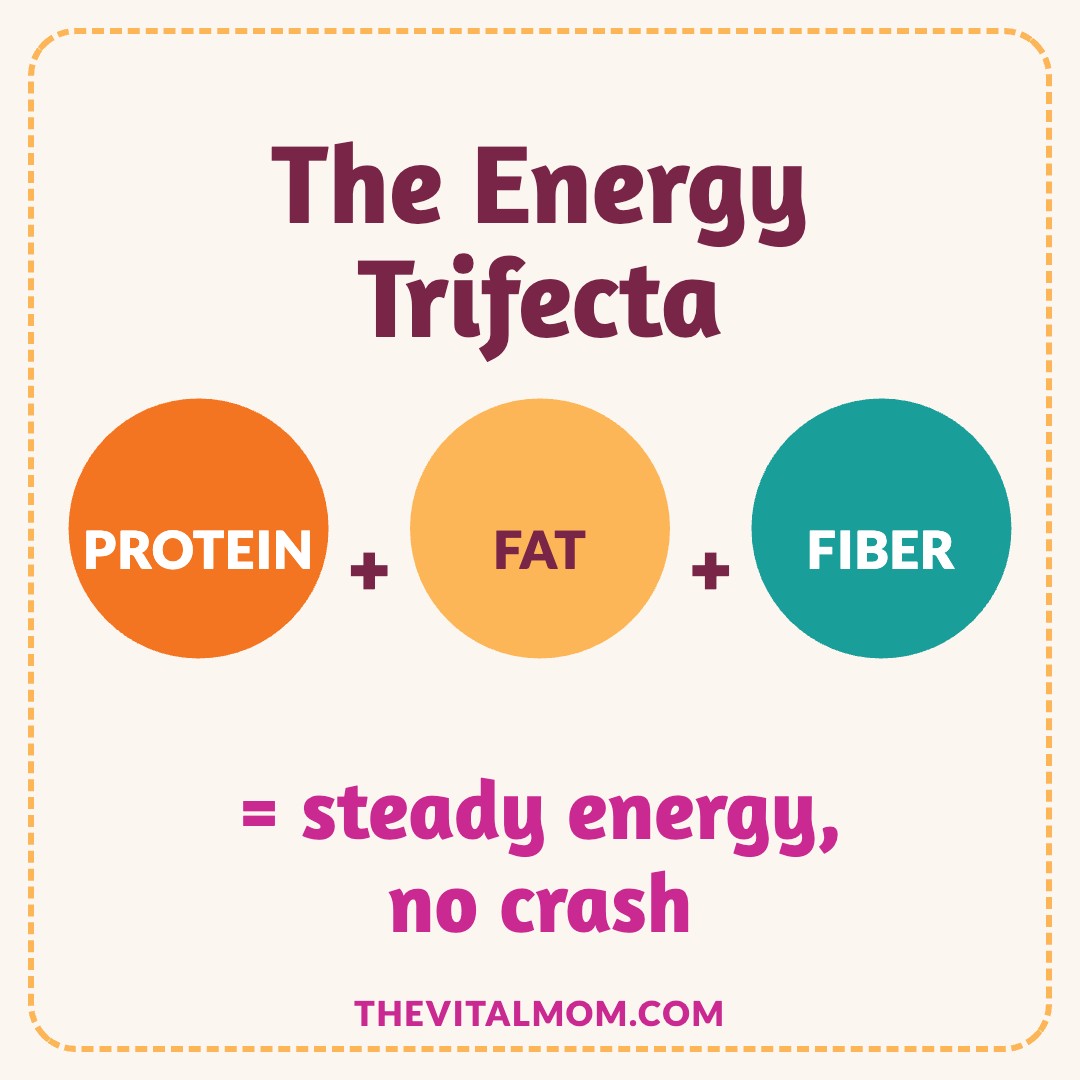
Three balanced meals, each with protein, fat, fiber, and some carbohydrate, create a rhythm that works with your body’s natural hormone patterns.
After a meal, blood sugar rises and insulin goes up to manage it. Over the next 3 to 4 hours, blood sugar settles back down and insulin drops. That drop matters. It’s when your body shifts from storing energy to burning it, and when repair processes like autophagy (your cells’ cleanup and recycling system) get a chance to switch on.
Space between meals also matters for your gut. Your small intestine has a built-in cleaning wave called the migrating motor complex (MMC) that sweeps bacteria and leftover debris along. It only runs when you’re not digesting, so constant snacking keeps switching it off. Kind of like a Roomba that can work in a cluttered room. Over time, that can contribute to SIBO (small intestinal bacterial overgrowth) and digestive symptoms that seem to come from nowhere.
For blood sugar, three meals anchored with enough protein (roughly 25 to 35 grams each) usually beat six small meals. The protein keeps you from riding the spike-and-crash cycle that drives hunger and cravings.
When Smaller, More Frequent Meals Make Sense
Eating more often really does work better for some people, in specific situations:
High demand. Athletes, pregnant or breastfeeding moms, and women with very physical jobs may need more fuel than three meals can comfortably deliver.
Fragile blood sugar. Some people with significant blood sugar swings, especially reactive hypoglycemia (blood sugar that drops too low a few hours after eating), do better with smaller, more frequent meals while they work on the root cause. Note, this isn't a permanent state. When I client tells me they have to eat or they get shaky, that is a signal to me, not a fixed state.
Coming out of restriction. After a long stretch of under-eating, frequent smaller meals can help re-establish steady fuel and signal safety to the body.
Digestive limits. If big meals reliably cause pain or major bloating, smaller portions may simply be easier while the underlying gut issues get addressed.
Those are legitimate reasons. But they’re specific situations, not universal rules.
The Problem With Grazing by Default
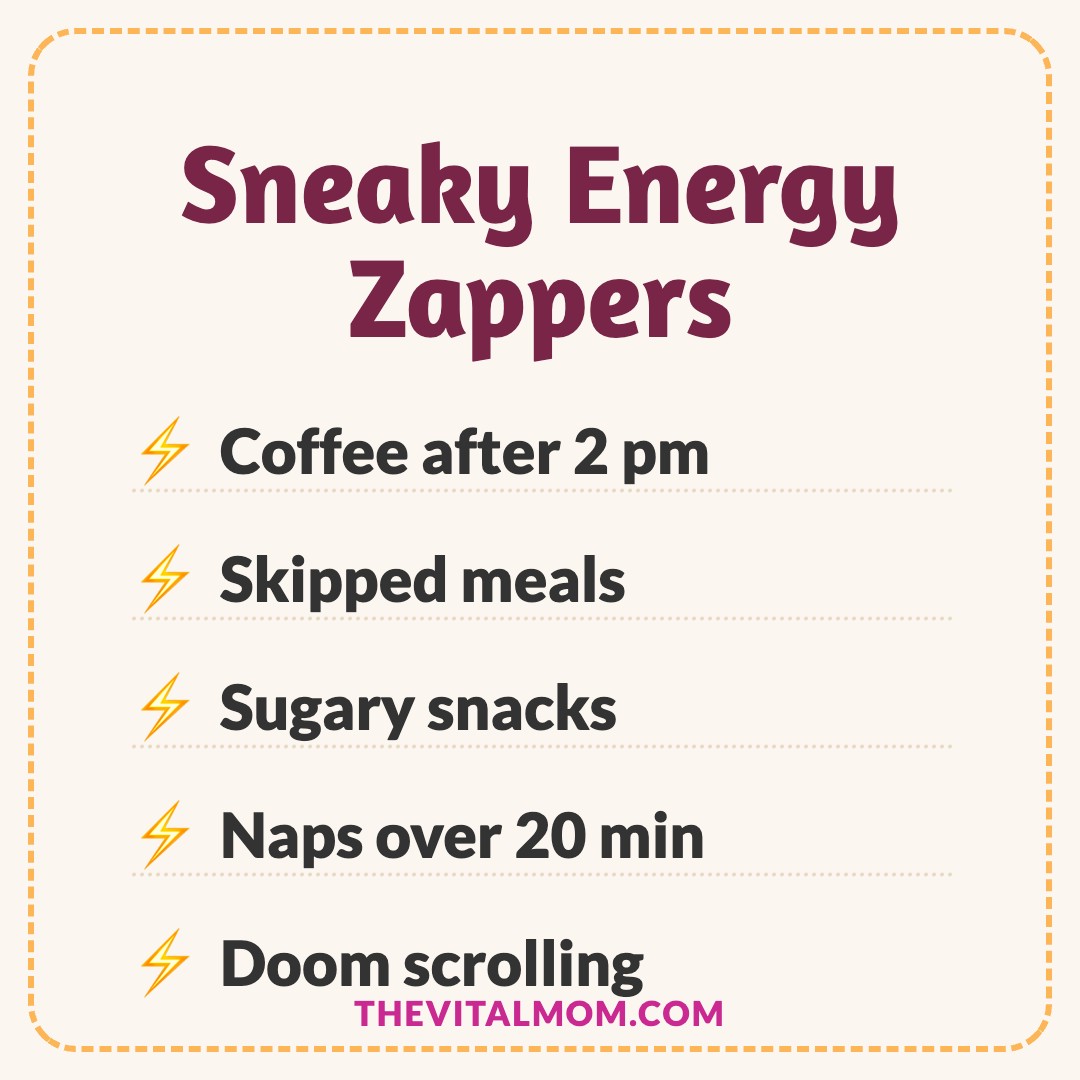
Here’s what I see most often in practice: grazing isn’t a strategy. It’s what happens when life is busy and meals don’t get planned. That pattern produces its own kind of metabolic chaos.
Remember the day at the top of this post? That mom is riding a blood sugar rollercoaster from morning to night. She’s probably short on protein. And she eats most of her food in the evening, when her body handles carbs least efficiently.
It’s one of the most common metabolic saboteurs I see, and it rarely gets flagged as a problem because it doesn’t look like a failed diet. It just looks like normal mom life.
Grazing usually isn’t a choice. It’s what fills the gaps when meals don’t happen.
What Matters More Than How Often You Eat
The research on meal frequency is honestly less clear-cut than either camp claims. What it does consistently support:

What’s on the plate matters more than how many plates. Three protein-anchored meals with fiber and fat beat six small carb-heavy snacks, even at the same calories.
Eat with your hunger, not the clock. Eating past full because “it’s time” is as unhelpful as ignoring real hunger. Both disconnect you from your body’s signals.
Breakfast sets the tone. Your first meal has an outsized effect on blood sugar for the rest of the day. A protein-forward, low-sugar breakfast keeps you steadier through lunch and dinner. A carb-only breakfast, or no breakfast, usually doesn’t. (looking at you, cold cereal and muffins.)
Close the kitchen a few hours before bed. Finishing eating by 7 or 8pm gives your digestion and insulin time to settle before sleep, which can help your sleep, your morning energy, and how your body burns fat.
How to Find Out What Works for You
If you can wear a continuous glucose monitor (CGM) for even a month, you can watch in real time how your body responds to three meals versus grazing. You’ll see whether your blood sugar holds steady between meals or drops in ways that drive your hunger.

No CGM? Pay attention to how you feel 3 to 4 hours after a well-built meal (protein, fat, fiber, some carbohydrate). If you’re hungry but not desperate, your blood sugar is probably working well, and three meals is likely your rhythm. If you feel shaky, irritable, or unplugged, your blood sugar is dropping too fast. That’s usually a sign the meal needs to change, not that you need to eat more often.
Your Next Step
Not sure where to start? Take the free Well Mama Checkup. It’s 20 questions, and it shows you which trailhead to start on. Or email me directly if a CGM appeals.